The True Battle Within
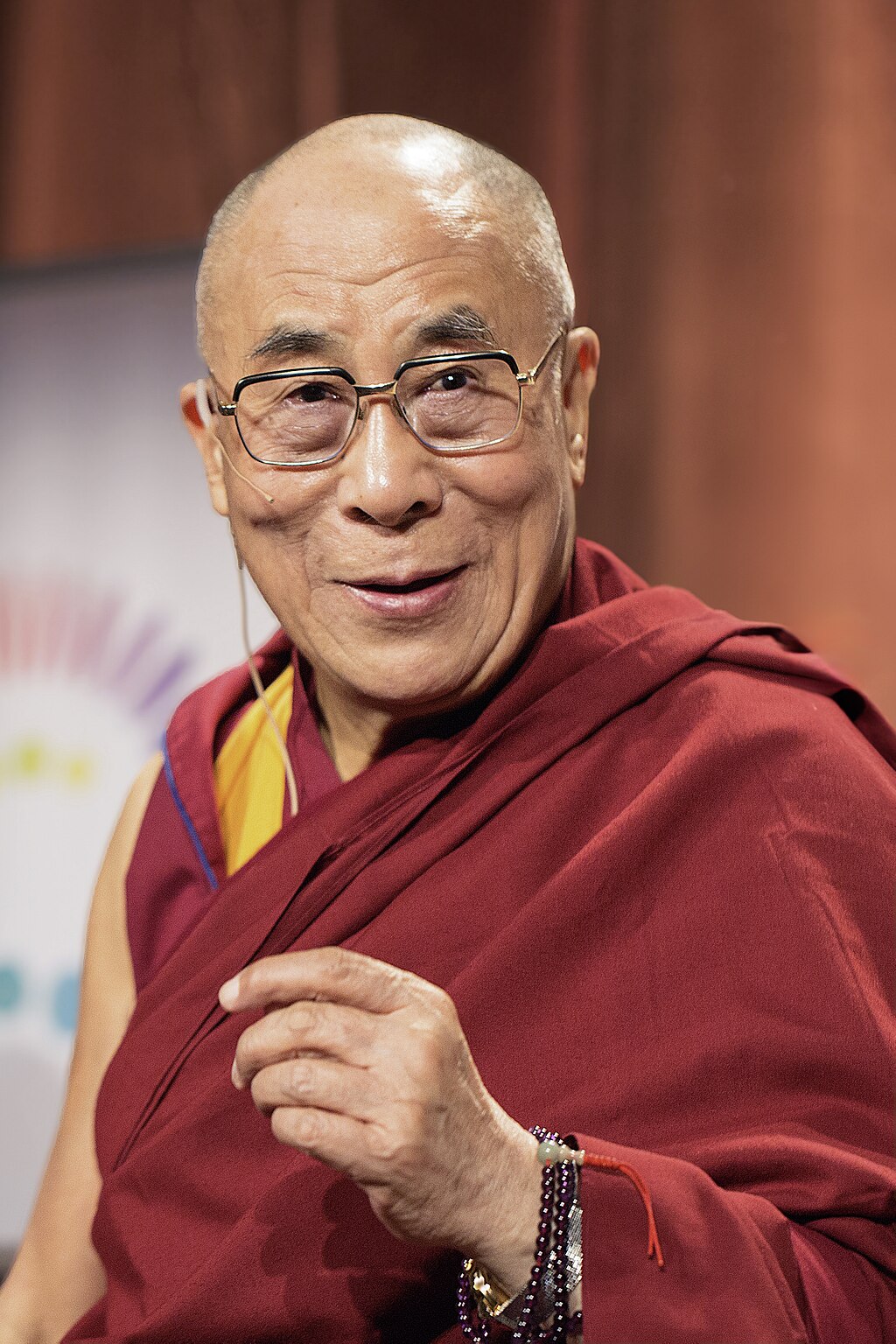
In the words of the Dalai Lama, "To conquer oneself is a greater task than conquering others." This profound statement invites us to reflect on the nature of true mastery and the challenges inherent in self-discipline. In a world often preoccupied with external achievements and victories over others, the Dalai Lama reminds us that the most significant struggle lies within. This internal conquest is not merely a personal endeavor; it is a path toward wisdom, compassion, and a deeper understanding of our interconnectedness.
As we navigate our lives, the allure of external validation can overshadow the more subtle, yet profound, journey of self-discovery. The Dalai Lama's assertion serves as a call to introspection, urging us to confront our fears, desires, and limitations. This internal battle requires courage and commitment, as it demands that we face the very aspects of ourselves that we might prefer to ignore. By embracing this challenge, we not only cultivate self-mastery but also pave the way for a more compassionate existence, both for ourselves and for those around us.
The image / the metaphor
The imagery in the quote evokes a sense of struggle and triumph, where the act of conquering oneself is portrayed as a monumental task. The verb "conquer" suggests a battle, a fight against the inner demons that often hold us captive. This battle is not one of violence but rather a gentle yet firm confrontation with our own thoughts, emotions, and habits. The felt sense of this journey is akin to climbing a steep mountain, where each step requires determination and resilience, yet the view from the summit offers profound clarity and peace.
Diving deeper into the metaphor, we can see that the conquest of self is not merely about overcoming negative traits but also about embracing our true nature. It is a journey of self-discovery, where we learn to recognize and accept our vulnerabilities and strengths alike. This duality is essential; it teaches us that true mastery involves not just the suppression of undesirable traits but also the nurturing of our inherent goodness. In this light, the conquest becomes a transformative process, leading us toward a more authentic and compassionate self.
In the speaker's tradition
Within the framework of Tibetan Buddhism, the Dalai Lama's teaching resonates deeply with the concept of dharma, which encompasses the path of ethical living and spiritual development. The journey of self-conquest aligns with the practice of mindfulness and awareness, essential elements in cultivating prajna, or wisdom. This wisdom is not merely intellectual but experiential, arising from the deep understanding of our own minds and the nature of reality. The practice of kenosis, or self-emptying, further complements this journey, as it encourages us to let go of the ego and embrace a more expansive sense of self.
A relevant text that echoes this sentiment is the "Bodhicaryavatara" by Shantideva, which emphasizes the importance of self-mastery as a precursor to altruistic action. In this work, the author articulates the necessity of overcoming one's own afflictions before one can genuinely assist others. This perspective reinforces the idea that the conquest of self is not a selfish endeavor but a foundational step toward contributing positively to the world around us.
Living the teaching
Consider a modern scenario where this teaching might resonate: a workplace conflict where competition and rivalry overshadow collaboration. In such an environment, individuals may focus on outperforming their colleagues, leading to stress and discord. However, if one were to embrace the Dalai Lama's wisdom, the focus could shift from external competition to internal reflection. By recognizing one's own triggers and motivations, a person could cultivate a more harmonious workplace, fostering cooperation rather than conflict.
Another application of this teaching can be found in personal relationships, particularly during moments of tension. When faced with disagreements, it is easy to point fingers and assign blame. Yet, by turning inward and examining one's own reactions and feelings, individuals can approach the situation with greater empathy and understanding. This practice not only diffuses conflict but also strengthens the bond between individuals, as both parties learn to navigate their emotions with greater awareness and compassion.
A reflection
As we contemplate the Dalai Lama's assertion, we are invited to ask ourselves: What aspects of my inner self require attention and understanding? This question encourages a deep exploration of our motivations, fears, and desires. By engaging with this inquiry, we can begin to uncover the layers of our being that may have been overlooked, ultimately leading us toward a more authentic and fulfilling existence. In this way, the journey of self-conquest becomes not just a personal endeavor but a shared path toward collective wisdom and compassion.



Join the BrightStar Community
Stay connected with daily inspiration, event announcements, and community wisdom