The Path to Liberation: Embracing Freedom from Negative Emotions
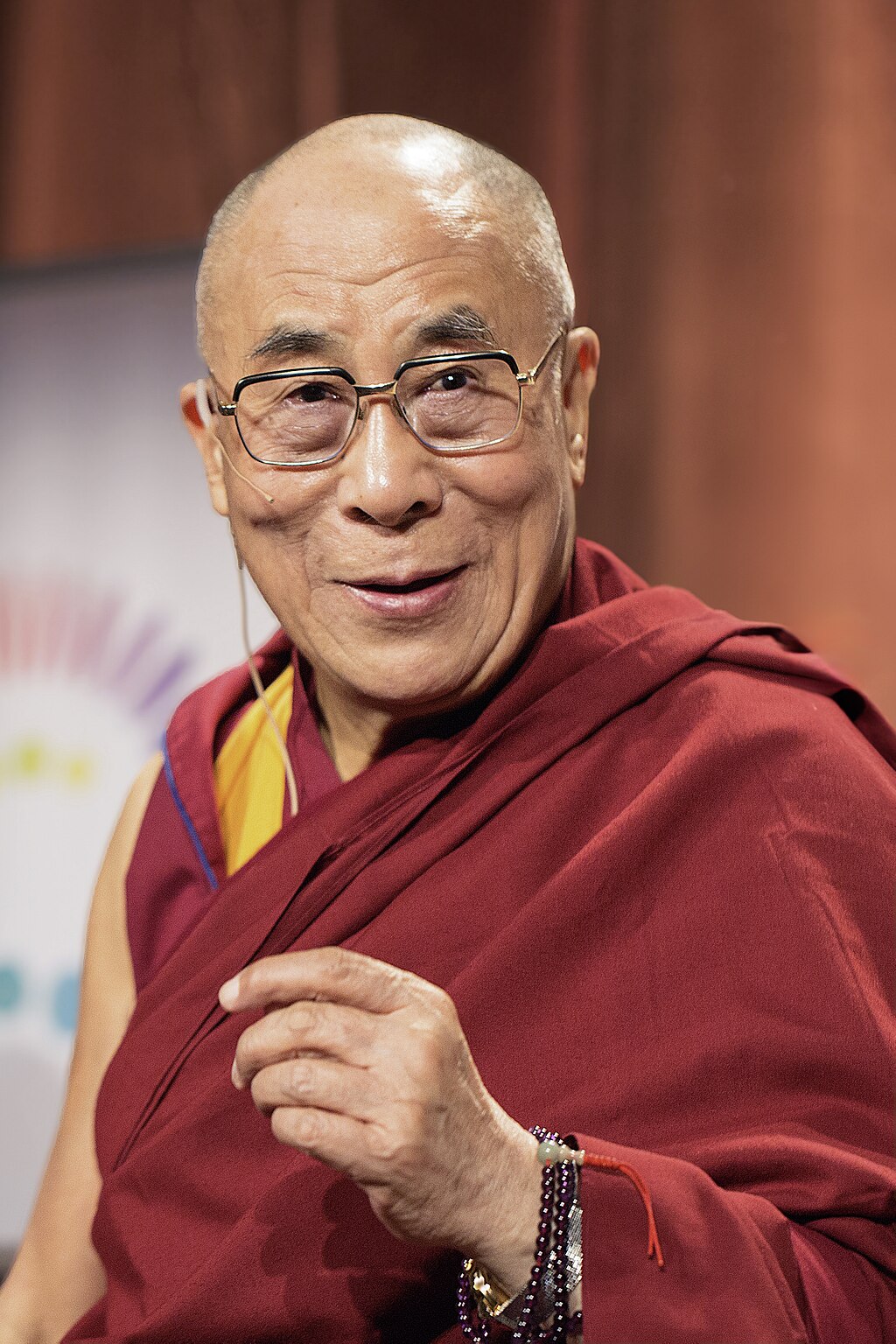
In the words of the Dalai Lama, "True freedom is freedom from negative emotions." This profound statement invites us to explore the intricate relationship between our emotional landscape and our sense of liberation. In a world often dominated by stress, anxiety, and discontent, understanding this concept becomes essential. The stakes are high; our emotional states can either imprison us or set us free, shaping our experiences and interactions in profound ways.
Delving deeper, we recognize that negative emotions—such as anger, jealousy, and fear—can cloud our judgment and hinder our ability to connect with ourselves and others. The Dalai Lama's assertion suggests that true freedom is not merely the absence of external constraints but rather the internal liberation from these debilitating feelings. This perspective encourages us to engage in a transformative practice that fosters emotional resilience and clarity, ultimately leading us toward a more authentic and fulfilling existence.
The image / the metaphor
The imagery within the quote evokes a sense of liberation akin to breaking free from chains that bind us. The verbs "freedom" and "negative emotions" create a stark contrast, highlighting the struggle between our innate desire for peace and the turmoil that often arises from our emotional responses. This juxtaposition invites us to visualize a state of being where we are unencumbered by the weight of our emotional burdens, suggesting that true liberation is an internal journey rather than an external pursuit.
Going deeper into the metaphor, we can liken negative emotions to clouds obscuring the sun. Just as the sun remains present even when hidden, our true nature—characterized by compassion, joy, and equanimity—exists beneath the layers of negativity. The Dalai Lama's teaching encourages us to cultivate awareness and mindfulness, allowing us to witness these clouds without becoming ensnared by them. In this way, we can gradually clear the skies of our minds, revealing the radiant light of our authentic selves.
In the speaker's tradition
Within the context of Tibetan Buddhism, the Dalai Lama's insight resonates deeply with core concepts such as *dharma* and *sunyata*. *Dharma*, or the teachings of the Buddha, emphasizes the importance of understanding the nature of suffering and the path to liberation. By recognizing that negative emotions are transient and often rooted in ignorance, we can begin to cultivate a sense of detachment, leading us toward a state of *sunyata*, or emptiness. This emptiness is not a void but rather a space of potential, where we can experience freedom from the clutches of our emotional turmoil.
A relevant text that echoes this sentiment is the *Heart Sutra*, which teaches that form is emptiness and emptiness is form. This profound realization invites us to see that our negative emotions, while real in their experience, do not define our essence. By engaging with this text, we can deepen our understanding of the interplay between our emotions and our true nature, ultimately guiding us toward the freedom that the Dalai Lama speaks of.
Living the teaching
Consider a modern scenario where this teaching can be applied: a workplace filled with tension and competition. Imagine a colleague who consistently undermines your efforts, provoking feelings of frustration and resentment. In this situation, the Dalai Lama's teaching serves as a reminder that while these negative emotions may arise, they do not have to dictate your response. By practicing mindfulness and recognizing the impermanence of these feelings, you can choose to respond with compassion rather than anger, fostering a more harmonious environment.
In a different context, think about a challenging relationship with a family member. Perhaps past grievances resurface during family gatherings, igniting feelings of bitterness and hurt. The practice of cultivating freedom from negative emotions can transform this dynamic. By consciously choosing to let go of past grievances and approaching interactions with an open heart, you create space for healing and connection. This shift not only liberates you from the emotional weight but also invites the possibility of deeper understanding and reconciliation.
A reflection
As we contemplate the Dalai Lama's assertion, we are invited to reflect on our own emotional landscapes. What negative emotions do you find yourself clinging to, and how do they shape your experience of freedom? In this moment of introspection, consider the possibility that true liberation lies not in the absence of challenges but in our ability to navigate them with grace and awareness. How might your life transform if you embraced the practice of freedom from negative emotions?


Join the BrightStar Community
Stay connected with daily inspiration, event announcements, and community wisdom