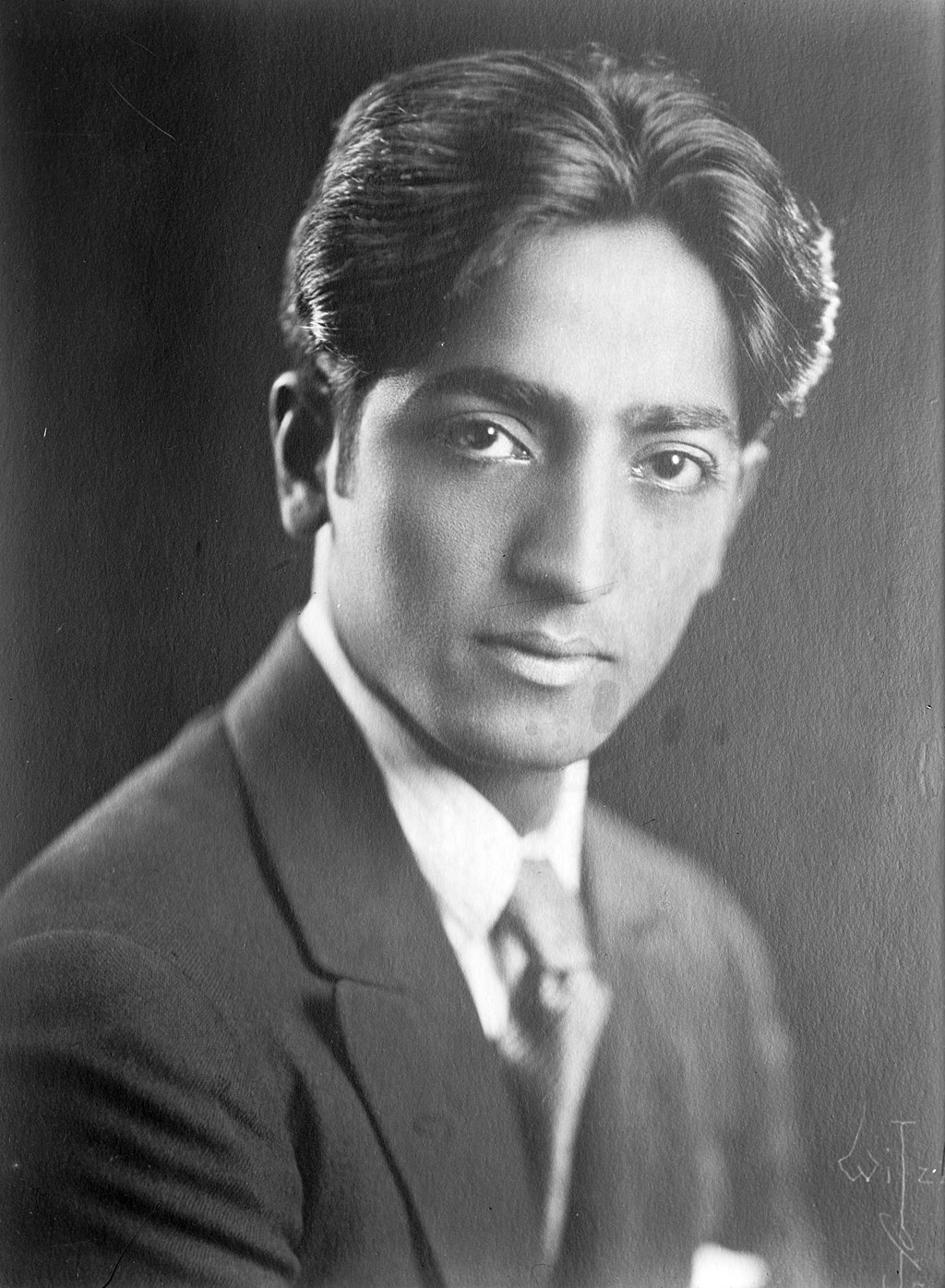
The Unquestioned Nature of Love
Jiddu Krishnamurti's assertion that "Love and you don't ask the question 'Is this love or not?'" invites us to consider the essence of love as an experience that transcends the need for validation or analysis. In a world often characterized by skepticism and doubt, this statement challenges us to embrace love in its purest form, free from the constraints of questioning. The stakes are high: to truly love is to engage with life and others without the burden of self-doubt or the need for categorization.
In this context, Krishnamurti's words resonate deeply with the human experience of connection. Love, when genuine, flows effortlessly and is not encumbered by the mind's incessant need to dissect and label. This perspective invites us to explore the transformative power of love, suggesting that it is not merely an emotion but a state of being that can illuminate our lives and relationships. By letting go of the need to question, we open ourselves to a deeper understanding of love's nature and its profound impact on our existence.
The image / the metaphor
At first glance, the imagery in Krishnamurti's quote evokes a sense of spontaneity and purity. The act of loving is portrayed as an instinctual response, one that does not require the mind's intervention to validate its authenticity. The choice of the verb "ask" highlights the tendency of the human mind to seek reassurance, to engage in a dialogue that often leads to confusion rather than clarity. In this light, love becomes a direct experience, unmediated by the analytical faculties that can distort its essence.
Diving deeper into the metaphor, we can see that love, in its truest form, exists beyond the duality of questioning and certainty. It is an experience that transcends the dichotomy of "is" and "is not," inviting us to embrace a state of being where love simply is. This perspective encourages us to recognize that the act of questioning can often lead to a disconnection from the very essence we seek to understand. By relinquishing the need to categorize love, we allow ourselves to experience it fully, in all its complexity and beauty.
In the speaker's tradition
Krishnamurti's teachings are deeply rooted in the non-dual tradition, which emphasizes the interconnectedness of all beings and the importance of direct experience. Concepts such as *sunyata* (emptiness) and *fana* (annihilation of the self) resonate with his assertion that love exists beyond the confines of the ego and the intellect. In this framework, love is not a possession or an object to be analyzed; rather, it is a state of being that arises when we transcend the self and its incessant questioning.
In his dialogues, Krishnamurti often draws parallels between love and the concept of *bhakti*, or devotion, which emphasizes a deep, selfless connection to others. This devotion is characterized by an absence of doubt and a full immersion in the experience of love. A relevant text that echoes this sentiment is the *Bhagavad Gita*, where the nature of love and devotion is explored as a path to liberation. Here, love is not merely an emotion but a profound realization of unity with the divine and with all beings.
Living the teaching
Consider a modern scenario where this teaching might resonate: a friendship that has become strained due to misunderstandings and unspoken expectations. In such a situation, the act of questioning—"Do they really care about me?" or "Is this friendship worth it?"—can create barriers that prevent genuine connection. By embracing Krishnamurti's teaching, one might choose to step back from these doubts and simply engage with the friend, allowing love to flow without the weight of analysis. This shift can lead to a renewed sense of connection and understanding, free from the burdens of doubt.
In a romantic relationship, the application of this teaching can be equally transformative. When faced with challenges, partners often find themselves caught in a cycle of questioning their love for one another. Instead of asking, "Is this love or not?" they might instead focus on the experience of love itself—sharing moments of vulnerability, joy, and presence. By prioritizing the act of loving over the need for validation, couples can cultivate a deeper bond that transcends the limitations of doubt and insecurity.
A reflection
As we contemplate Krishnamurti's profound insight, we are invited to reflect on our own experiences of love. Are there moments in your life where you have found yourself questioning the authenticity of your feelings? What would it mean to embrace love without the need for validation or analysis? In this inquiry, we may discover that the essence of love lies not in the questions we ask, but in the depth of our experience and the connections we nurture.


Join the BrightStar Community
Stay connected with daily inspiration, event announcements, and community wisdom